
Doing Nothing
何もしないこと

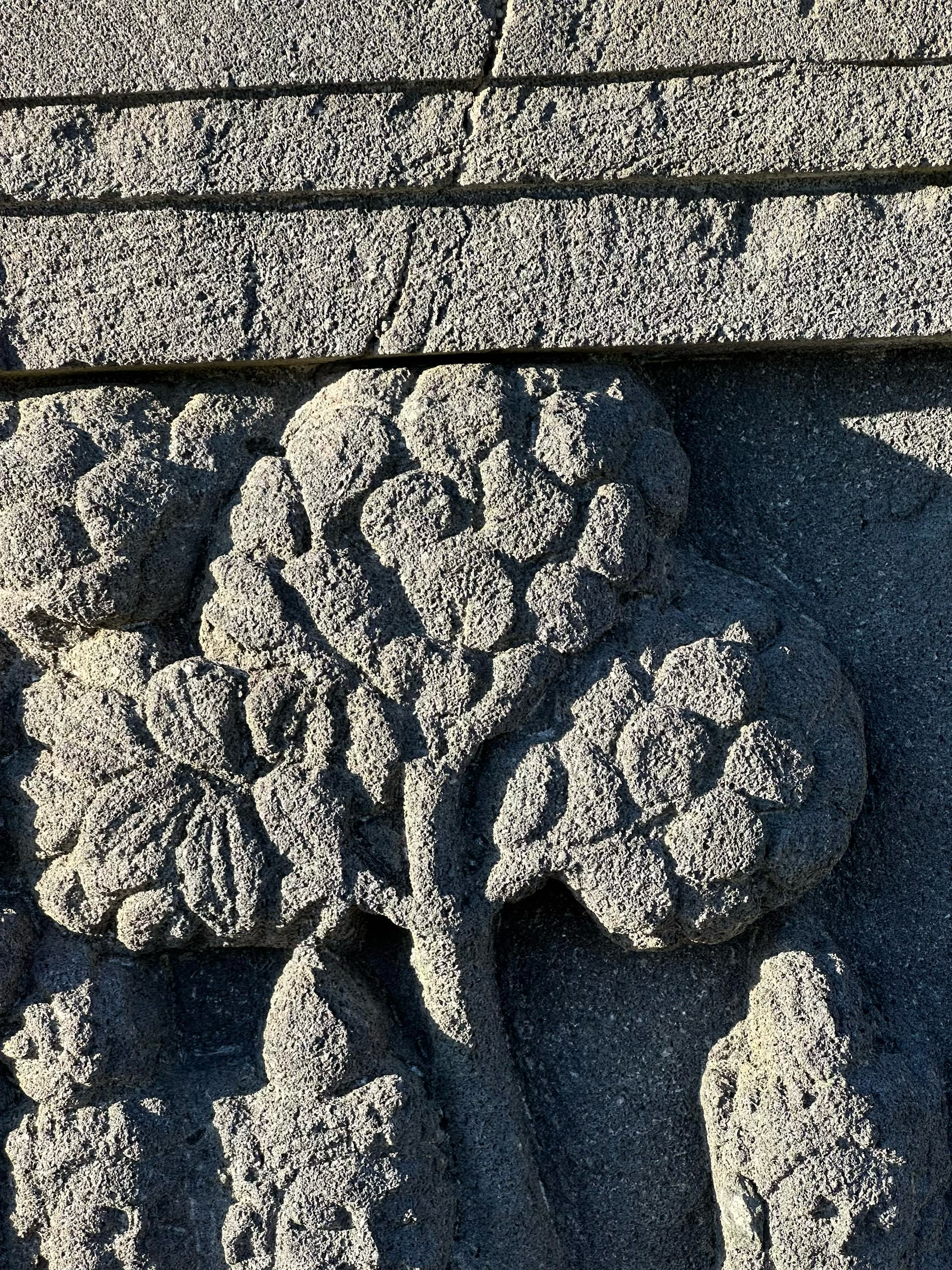
Few, very few, can claim to be good at doing nothing. It is not easy to do nothing, and it is not easy to understand what doing nothing means. Physically it’s easy: you just don’t move your hands, your legs, your torso, your eyes, your mouth, or any other external part of the body. But the heart, no — the lungs, the stomach, the internal organs that don’t answer directly to our will: those are hard to stop. Better, in fact, not to stop them at all. The hardest part to stop, however, is the brain — the mind, the spirit that possesses us.
To stop the mind you have to be skilful and you have to practise a great deal, in order to manage even a little this strange organ that isn’t an organ, but which we all possess and all use heavily, for better and for worse. Not letting the mind overwhelm us, controlling its swings, managing it when it pulls us too low, or, equally, when it pushes us too high. Drugs, alcohol, wine, hallucinogens may help, but only for a short time, after which we return more incapable than before.
We can dream of doing nothing in order to rest, but it is not very rewarding. We can dream of becoming rich without working, but it is always a doing — to seek the conditions that satisfy that dream — and an illusion, besides. It is impossible to stop dreaming. I don’t even know whether having no dreams would be a good thing. The Buddha dreamt of Nirvana, and he dreamt of it so much that he reached it.
It is not only a question of will. Will, they say, is a muscle, and well-exercised it can deliver great results. That is true. But doing nothing, and learning to do nothing, asks for far more complex and sophisticated qualities. It asks, for instance, for consciously letting go. It is not simply not caring, not bothering, going slack. Too easy. To let go and to let oneself go, you need familiarity with the infinite and the courage to face nothingness.
Nothingness frightens us because we are used to measuring our worth by what we produce. We are what we do; we are what we leave behind. Idleness has always been considered a sin — not merely for moral reasons, but because it questions the very foundation of identity. If I stop doing, I no longer know who I am, and I no longer know how I will be judged.
But nothingness is not emptiness. It is rather a form of fullness that doesn’t have the shape we expect. Those familiar with silence — with meditation, the contemplatives, certain artists, certain craftsmen at the moment when the gesture becomes automatic and almost involuntary — know that nothingness is saturated, serene, emotionally strong. It is made of possibilities not yet turned into action. Letting go is not renunciation. It is rather trust that the world will keep on existing even without our intervention. Trust that reality will not collapse if we stop, for a moment, holding it together with our hands. The infinite is not a mathematical magnitude.
The courage to face the sense of the infinite is simply to accept that our presence in the world is not conditioned by our acting. That we exist even when we don’t produce, don’t decide, don’t control. Learning to do nothing is the fullest act we can perform. For me it is extremely difficult. For me it is practically impossible. But when I succeed, I gather the greatest rewards.
Gandhi used to say that the hardest thing is to come to understand and to believe that we are nothing — and that to understand it we must seek it; we must devote ourselves to nothingness. It is another paradox of existence, the most revealing of them all.
何もしないこと
何もしないことが得意だと言える人はほとんどいません。本当にごくわずかです。何もしないということは容易ではなく、その意味を理解することもまた簡単ではありません。身体的には簡単です。手も脚も胴体も、目も口も、その他の身体の外側の部分も動かさなければよいのです。しかし、心臓や肺、胃といった、意志では直接制御できない内臓は止めることができませんし、そもそも止めるべきでもありません。そして何より止めるのが難しいのは脳、つまり思考であり、私たちを支配する精神そのものです。
思考を止めるためには技術が必要であり、この奇妙な器官、器官であるとも言えないものを少しでも扱えるようになるには、長い訓練が求められます。私たちは皆それを持ち、良くも悪くも過度に使っています。その働きに飲み込まれないこと、揺れ動きを制御すること、過度に落ち込むときも、逆に過度に高揚するときも、それをうまく扱うことが必要です。薬物やアルコール、ワイン、幻覚剤は一時的には助けになるかもしれませんが、その後にはむしろ以前よりも制御できなくなってしまいます。
休むために何もしないことを夢見ることはできますが、あまり満足のいくものではありません。働かずに豊かになることを夢見ることもできますが、それもまた条件を探し求めるという行為であり、しかも幻想にすぎません。夢を見ることを止めることはできませんし、そもそも夢を持たないことが良いことなのかどうかも分かりません。仏陀は涅槃を夢見、夢を追い続けた末にそれへと到達しました。
これは単なる意志の問題ではありません。意志は筋肉のようなものであり、鍛えれば大きな成果をもたらすと言われます。確かにその通りです。しかし何もしないことを学ぶことには、はるかに複雑で洗練された資質が求められます。たとえば意識的に手放す力です。無関心になることでも、怠けることでも、ただ力を抜くことでもありません。それではあまりにも容易すぎます。手放し、身を委ねるためには、無限に対する親しみと、無を直視する勇気が必要です。
無は、私たちに恐れを抱かせます。なぜなら私たちは、自分の価値を何を生み出したかによって測ることに慣れているからです。私たちは自分が何をするかによって定義され、何を残すかによって評価されます。怠惰は常に罪と見なされてきました。単に道徳的な理由からではなく、存在の根拠そのものを揺るがすからです。もし行為を止めてしまえば、自分が何者であるのか分からなくなり、どのように評価されるのかも分からなくなってしまいます。
無とは空虚ではありません。むしろ私たちが想定する形を持たない充実の一形態です。沈黙に親しんでいる人々、瞑想者や観想者、あるいは動作がほとんど無意識となる瞬間にある芸術家や職人は、無が満ちており、静かで、感情的な強さを持っていることを知っています。まだ行為へと変換されていない可能性に満ちています。手放すことは放棄ではありません。私たちが介入しなくても世界は存続し続けるという信頼です。ほんの一瞬私たちが手を離したとしても、現実が崩れ去ることはないという信頼です。無限とは数学的な量ではありません。
無限の感覚に向き合う勇気とは、私たちの存在が行為に依存していないことを受け入れることにほかなりません。私たちは、生産せず、決断せず、制御しなくても存在しているのです。何もしないことを学ぶことは、私たちが成し得る最も充実した行為なのです。私にとってそれは極めて困難であり、ほとんど不可能に近いことです。しかしそれができたとき、私は最も大きな報いを得るのです。
Mahatma Gandhi(マハトマ・ガンジー)は、最も難しいのは自分が無であると理解し、信じることだと語っています。そしてそれを理解するためには、求め、無に身を委ねなければならないのです。それは存在のもう一つの逆説であり、おそらく最も深い示唆を与えるものなのです。